
AI Compute Clusters Are Rewriting the Optical Module Roadmap
GPU clusters doubled optical port demand per rack. Here is what that means for your transceiver selection.
Lihat Detail
Panduan pemilihan, penjelasan teknologi, dan analisis pasar interkoneksi optik.
GPU clusters doubled optical port demand per rack. Here is what that means for your transceiver selection.
Lihat Detail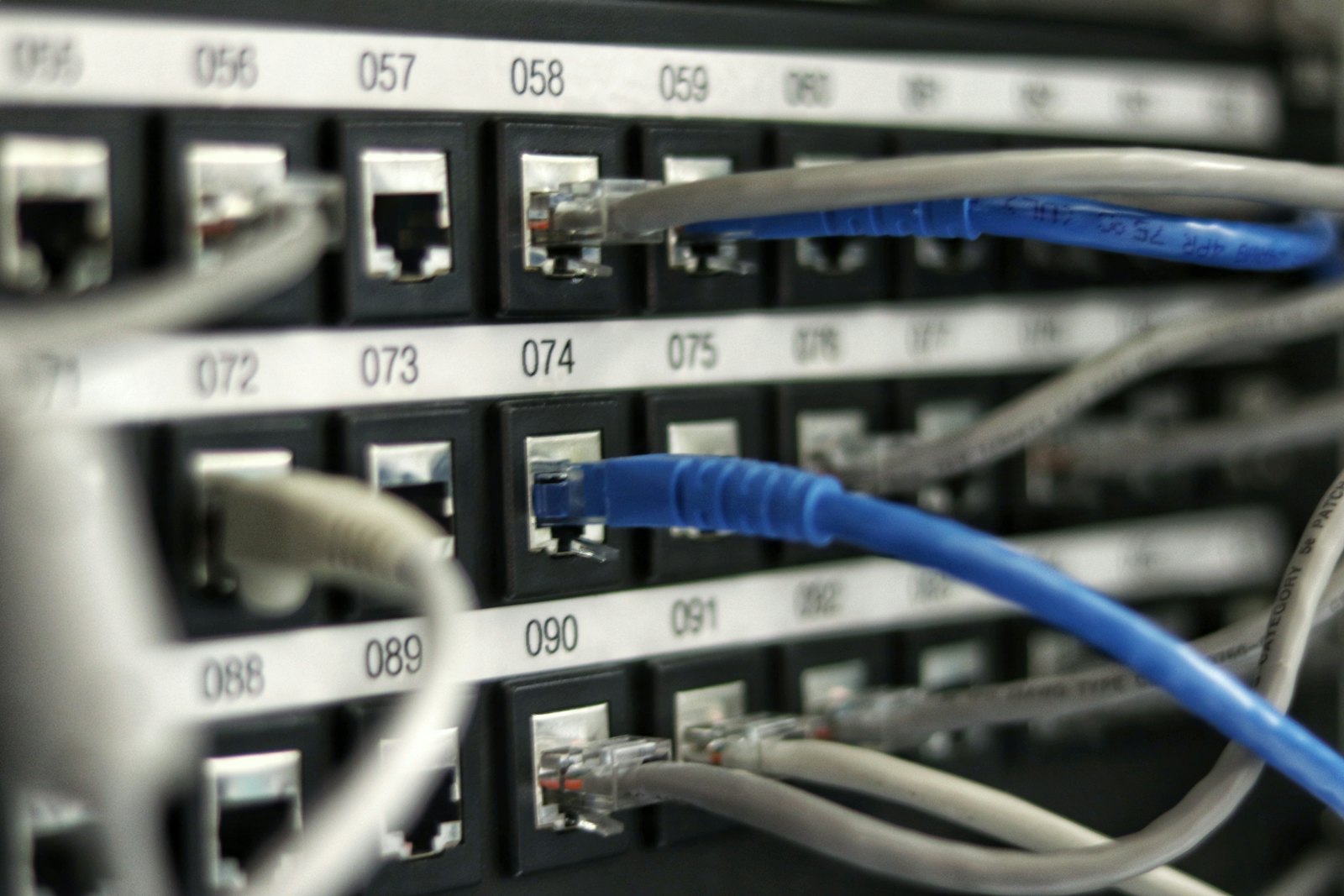
Six form factors, twenty years, one direction: more lanes in the same faceplate.
Lihat Detail
Distance decides reach, fiber decides wavelength. A four-step method for picking 10G optics.
Lihat Detail
How the most common two-tier data center fabric maps onto 25G and 100G optics.
Lihat Detail
Both reach 400G. The difference is what happens at 800G.
Lihat Detail
Core size decides distance. Distance decides cost. Start here.
Lihat Detail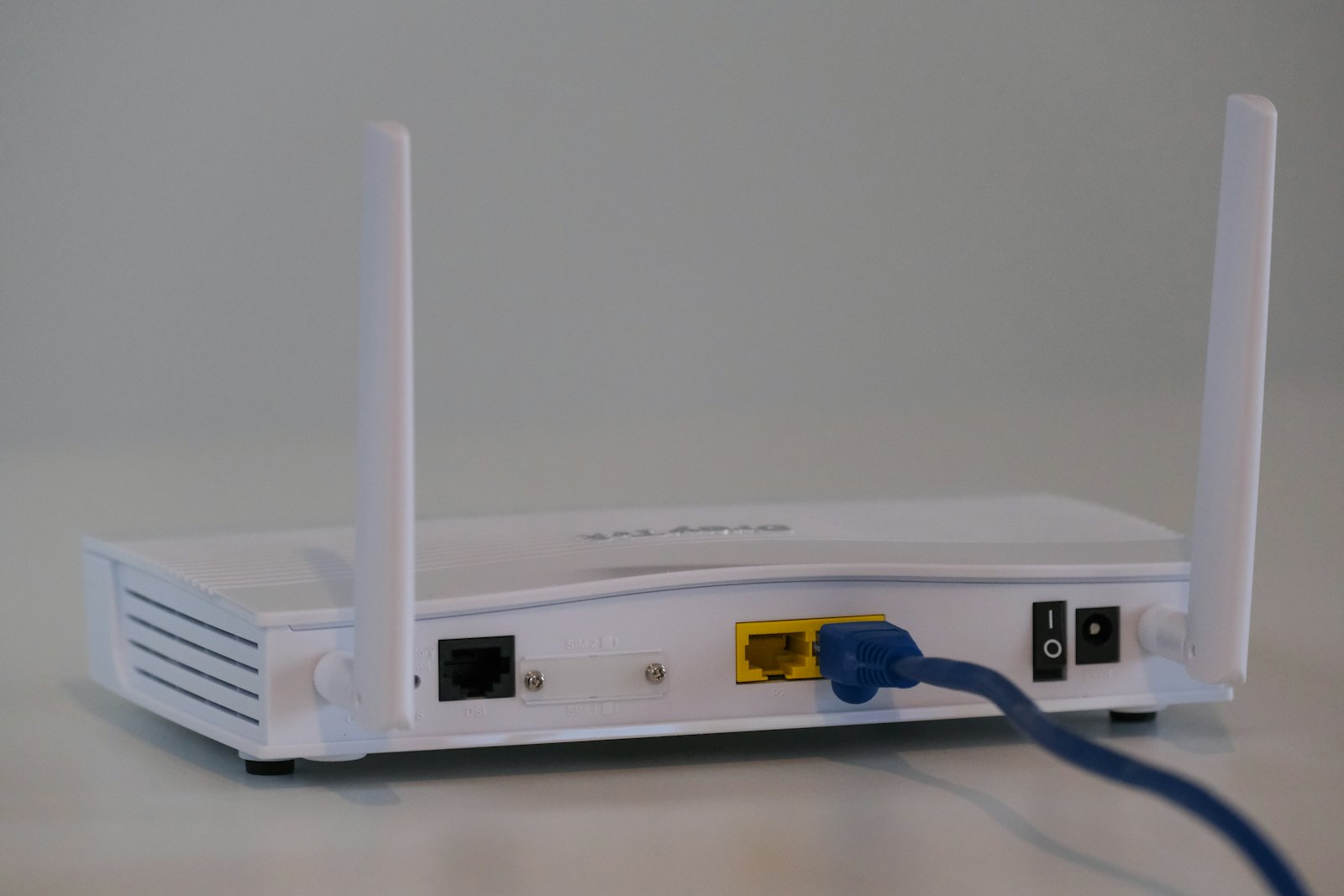
One fiber instead of two — as long as you get the pairing right.
Lihat Detail
Eighteen channels or eighty — the choice depends on distance and amplification.
Lihat Detail
Copper wins under three metres. Beyond that, the maths changes.
Lihat Detail
Five parameters, read over I²C, tell you more about link health than any alarm log.
Lihat Detail
Temperature does not just stress the module — it moves the wavelength.
Lihat Detail
Symmetric or asymmetric is the decision that drives everything downstream.
Lihat Detail
As speeds rise, power becomes the constraint that decides the architecture.
Lihat Detail
The module is not "incompatible" — it is speaking a different dialect.
Lihat Detail
Demand is concentrating at the high end. Lead time planning now matters more than price negotiation.
Lihat DetailKirim daftar model, kecepatan target, atau jarak link Anda. Engineer kami membalas dengan nomor part yang sesuai, lead time, dan harga.